


2025 represents a landmark year for anime, balancing highly anticipated continuations of beloved franchises with bold new adaptations and theatrical spectacles. From the winter season already underway through December’s final releases, the landscape spans action-packed adventures, supernatural intrigue, and character-driven narratives that will shape industry discourse throughout the year.
Winter 2025 (January–March): Series in Motion
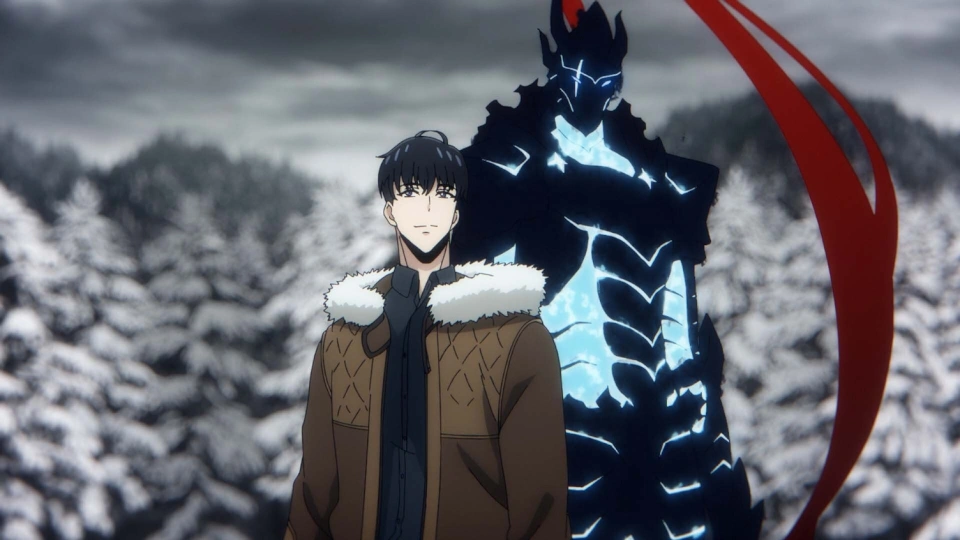
Solo Leveling: Season 2 – Arise from the Shadow (January 4) marks the immediate standout, building on Season 1’s breakthrough success with the webtoon adaptation. The series has demonstrated unprecedented global reach through its Korean-Japanese collaborative production, combining high-fidelity action sequences with protagonist Jin-woo’s systematic power progression. The second season continues his transformation from overlooked hunter to formidable force, with animation studio A-1 Pictures committing enhanced production values.
Sakamoto Days (January 11) arrives as the flagship anime of early 2025, adapted from Yuto Tsukumo’s manga phenomenon that has sold over 3 million copies. The Netflix series, produced by CloverWorks, presents a subversive take on the action genre: a retired hitman named Taro Sakamoto, now a humble convenience store manager with a wife and child, constantly faces assassination attempts from operatives seeking the substantial bounty on his head. The premise intentionally deconstructs John Wick-style narratives through comedic domesticity alongside explosive action—delivering “ultra-stylish action scenes and perfectly timed comedic moments” while maintaining genuine stakes and character investment. This dual-tone approach represents a refreshing departure from conventional action-heavy shonen, positioning it as a must-watch for viewers seeking tonal complexity.
Blue Exorcist: The Blue Night Saga (January 5) continues Rin Okumura’s narrative with Studio VOLN as the new animation producer, assuming duties from A-1 Pictures. The arc promises exploration of character backstories and previously hidden motivations, enriching the supernatural-human dynamic that defines the franchise. With voice actors Nobuhiko Okamoto and Jun Fukuyama reprising their roles, the installment balances intense action sequences with character development that has become the series’ hallmark.
My Happy Marriage Season 2 (January 6) shifts focus to domestic supernatural melodrama, following Miyo’s continued integration into her husband Kiyoka’s household while addressing regional demonic threats and antagonistic family dynamics.
Re:Zero Season 3 Part 2 – Counterattack Arc (February 5) resumes after an autumn 2024 hiatus, covering the second half of Arc 5 from Satoru Natsuhara’s light novels. Subaru’s battles in the Kingdom of Priestella intensify with high-stakes mysteries, betrayals, and shocking narrative twists. The confirmed production of Season 4 signals sustained momentum, with future seasons expected to adapt the ‘Corridor of Memories’ arc—further exploring Subaru’s trauma and setting up consequential challenges.
Dr. Stone: Science Future (Winter) continues the scientific adventure narrative where Senku Ishigami applies accumulated knowledge to expand civilization beyond initial settlements, maintaining the series’ blend of educational content and adventure storytelling.
Spring 2025 (April–June): Spectacle and New Horizons
One Piece: Egghead Island Arc, Part 2 (April 6) represents the most commercially significant series return, following a six-month production break. The first half delivered “some of the best visuals in the entire 25-year-old anime,” with the second installment promising escalated stakes, anticipated character moments, and “some of the most heartbreaking scenes in the story” according to manga readers. This continuation directly impacts the broader shonen landscape and cultural discourse.
Fire Force Season 3 (April 2025) reignites the supernatural action franchise with heightened tension following Season 2’s climax. The third installment promises revelations about the world’s fundamental nature, improved fight sequences, and potentially confirmed connections to Soul Eater—another series by creator David Publication that may share a universe. Fans anticipate answers to lingering mysteries that have accumulated across two prior seasons.
My Hero Academia: Vigilantes (April 7) branches the franchise into spinoff territory, adapting Hideyuki Furuhashi’s manga focusing on unlicensed vigilante heroes. Studio Bones produces this installment with intentionally distinct visual identity—employing comic book-inspired aesthetics with onomatopoeia effects appearing on-screen during combat. The shift represents deliberate stylistic departure from the main series while remaining thematically coherent.
Wind Breaker Season 2 (April 2025) continues the school-brawler narrative, maintaining focus on Haruka Sakura’s pursuit of fighting excellence within Furin High’s competitive culture. The series distinguishes itself by elevating fighting itself—rather than relegating action to secondary status—to narrative primacy, exploring how combat defines identity and social hierarchies.
Witch Watch (March 16 theatrical premiere) launches three-episode theatrical screening, providing early access to this supernatural comedy-action series before broader distribution.
Summer 2025 (July–September): Volume and Innovation
Kaiju No. 8 Season 2 (July 2025) continues the monster-defense narrative with protagonist Kafka Hibino—a 32-year-old former failure who gained elite combat capability—confronting increasingly formidable kaiju threats. The series subverts shonen conventions through its middle-aged protagonist, emphasizing that optimism paired with dedicated training yields excellence regardless of age or past circumstances.
Dan Da Dan Season 2 (July 2025) transitions to theatrical release format, with the “Evil Eye” arc launching across cinemas worldwide before television airing. This hybrid distribution model reflects the series’ cultural impact—combining supernatural horror, alien encounters, and comedic character dynamics into anime’s “weirdest” contemporary entry.
Leviathan (July 10) arrives as an original adaptation from Studio Orange, drawing from Scott Westerfeld’s acclaimed 2009 novel. The studio’s expertise with high-fantasy aesthetics positions this series as a bridge between anime and Western speculative fiction, targeting audiences seeking genre innovation.
Demon Slayer: Kimetsu no Yaiba – The Movie: Infinity Castle (September 12) marks the theatrical finale of the franchise’s theatrical trilogy, escalating conflict into the Infinity Castle stronghold where the Demon Slayer Corps directly confronts Muzan and his demonic hierarchy. The cinematic format enables expansive action set-pieces and visual spectacle beyond television constraints, representing the definitive visual statement of Tanjiro’s narrative arc.
Fall 2025 (October–December): Finales and Spectacle
One Punch Man Season 3 (October 2025) marks long-awaited return after years of hiatus, covering the Monster Association arc—widely considered among manga’s most compelling narrative sections. Saitama’s continued journey alongside Genos and the Hero Association promises visceral action and philosophical contemplation regarding purpose and strength.
My Hero Academia Season 8 (October 2025) serves as the final season, concluding Deku’s protagonist journey after eight seasons of character development. The series’ conclusion represents one of the year’s most significant entertainment moments, with audience investment spanning a decade-long cultural phenomenon.
Chainsaw Man – The Movie: Reze Arc (October 29) introduces the Reze narrative arc to cinematic format, featuring Denji’s romantic entanglement with his crush Makima alongside introductions to powerful, dangerous devil entities. Director Ryu Nakayama’s filmmaking brings MAPPA’s visual sophistication to expanded sequences unavailable in television serialization.
Zombie Land Saga: Yumeginga Paradise (October 24) expands the idol-zombie franchise theatrically, continuing the absurdist comedy-horror synthesis that defines the series’ appeal.
Jujutsu Kaisen: Execution (December 5) closes the theatrical year with the series’ final cinematic installment, adapting post-Shibuya narrative content and bringing closure to Yuji Itadori’s ongoing conflict with Sukuna and the broader jujutsu society.
Strategic Viewing Priorities
For Action Enthusiasts: Prioritize Sakamoto Days, Chainsaw Man theatrical release, and One Punch Man Season 3, which collectively offer kinetic spectacle across comedic, supernatural, and purely visceral registers.
For Franchise Completionists: My Hero Academia Season 8, One Piece Egghead Part 2, and Jujutsu Kaisen: Execution represent definitive conclusions or critical junctures demanding attention before media discourse moves forward.
For Innovation Seekers: Leviathan, Dan Da Dan Season 2, and Witch Watch (when it airs widely in 2026) signal genre experimentation and tonal complexity often overlooked in mainstream anime discourse.
For Character-Driven Narratives: Re:Zero Season 3 Part 2, Blue Exorcist: The Blue Night Saga, and My Happy Marriage Season 2 prioritize psychological depth and interpersonal dynamics alongside action.
2025 establishes itself as a year of culmination and renewal simultaneously—major franchises reach conclusions while emerging properties establish their place within anime culture. The theatrical emphasis (Demon Slayer, Chainsaw Man, Jujutsu Kaisen) reflects industry confidence in cinematic expansion, while the breadth of new adaptations and continuations ensures sustained momentum across genres and audience demographics.