


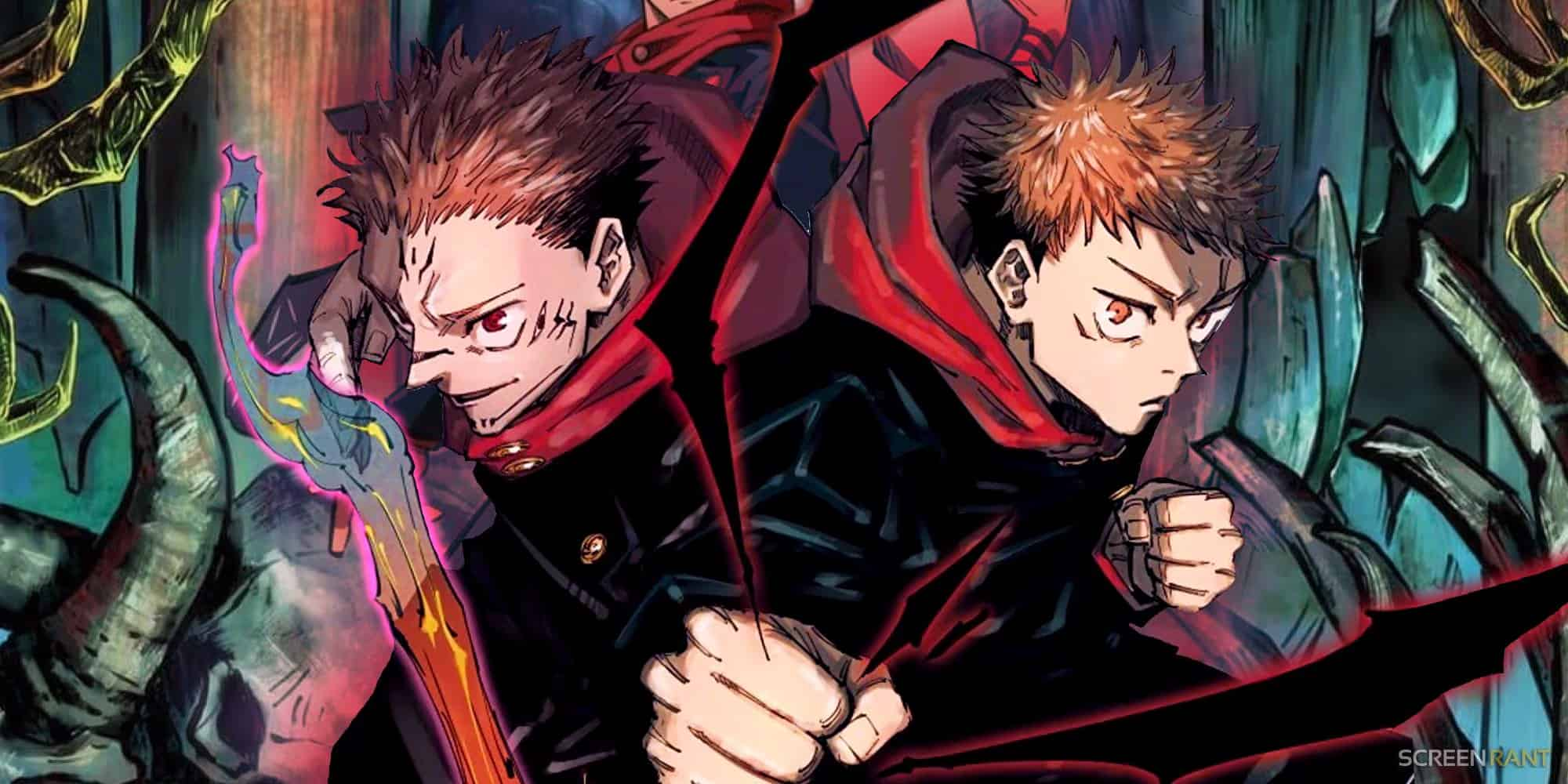
If you’ve finished Jujutsu Kaisen and found yourself captivated by its blend of intense action, dark storytelling, supernatural intrigue, and character development, several anime series offer comparable experiences. Here are the top recommendations, organized by similarity and appeal.
Immediate Alternatives: Closest Match in Tone and Style
Chainsaw Man stands as the closest spiritual successor to Jujutsu Kaisen, featuring a main trio with similar personalities, demon hunters with unique powers, and a dark, gritty narrative set in a contemporary world. Like Jujutsu Kaisen, it combines supernatural battles with visceral action, featuring a protagonist (Denji) who possesses a demonic entity—paralleling Yuji Itadori’s relationship with Sukuna. The series excels in balancing moments of vulnerability with explosive violence, exploring what it means for characters to reclaim agency in a world that exploits them. MAPPA’s animation brings brutal, blood-soaked action sequences to life, with fight choreography that feels grounded yet fantastical. The storytelling maintains the manga’s signature slice-of-life moments before detonating into hyperkinetic combat, creating emotional weight alongside spectacle.
Solo Leveling has emerged as one of the standout action anime of 2024-2025, adapted from a Korean manhwa by A-1 Pictures. The series centers on power-scaling and character progression, featuring visually stunning action sequences that serve as the narrative backbone. Where Jujutsu Kaisen emphasizes complex cursed energy mechanics, Solo Leveling explores systematic progression through a “dungeon hunter” power framework. The anime aired a second season, Arise from the Shadow, in early 2025, with anticipated production quality improvements and expanded narrative content. Fans note that the series delivers eye-candy action while maintaining character development and strategic combat thinking, with particular praise for how Jin-woo’s transformation from underdog to formidable force parallels Yuji’s growth—though Solo Leveling leans more heavily into the spectacle of overpowered protagonist moments.
Hell’s Paradise (Jigokuraku) shares not only MAPPA’s animation studio but also comparable themes of dark exploration and survival. Like Jujutsu Kaisen, it features grotesque body horror, terrifying imagery, and a diverse cast with distinct combat abilities tasked with overcoming monstrous threats. The narrative places characters in a death-trapped environment where moral ambiguity abounds, echoing the moral complexity of Jujutsu Kaisen’s Shibuya arc. The ensemble dynamic and high-stakes combat sequences deliver the psychological and visceral tension Jujutsu Kaisen fans crave.
Animation and Action Excellence
Demon Slayer (Kimetsu no Yaiba) stands as a parallel pillar of modern action anime, produced by Ufotable. While its narrative structure differs—following Tanjiro’s quest to cure his demon-turned sister rather than exorcising curses—both series prioritize breathtaking fight choreography and emotional storytelling. Demon Slayer’s distinguishing feature is its animation quality; Studio Ufotable has consistently delivered visually dazzling sequences that elevate action beyond mere spectacle into art. The series shares Jujutsu Kaisen’s willingness to humanize antagonists and explores themes of perseverance against overwhelming odds. The recent Infinity Castle film demonstrates the studio’s cinematic ambition, delivering sequences critics describe as having “propulsive fight choreography so explosive it outpaces the franchise’s own high-water marks.” For viewers who loved Jujutsu Kaisen’s action design but want different thematic territory, Demon Slayer offers uncompromising visual excellence.
Strategic Combat and Power Systems
Hunter x Hunter represents perhaps the most sophisticated alternative for fans who appreciated Jujutsu Kaisen’s complex power system and dark-toned storytelling. The series excels through its Nen ability framework—considered by many fans as the best power system in anime—and its genre-subverting approach to shonen tropes. Where Jujutsu Kaisen balances action with horror, Hunter x Hunter pairs darkness with unexpected tonal shifts, creating an emotionally unpredictable narrative. The Chimera Ant arc, widely considered the series’ darkest section, achieves scale and psychological depth comparable to Jujutsu Kaisen’s Shibuya Incident. Hunter x Hunter also distinguishes itself through complex, interconnected character arcs where side characters become protagonists and villains act from self-interested rather than purely evil motivations. The power system encourages strategic thinking in combat, where understanding opponents’ abilities often matters more than raw power—a trait Jujutsu Kaisen fans particularly appreciate.
My Hero Academia appeals to those who valued Jujutsu Kaisen’s academy setting and character-driven narrative. The series shares thematic ground regarding heroism, personal growth, and a well-developed supporting cast. Where it diverges is tone: My Hero Academia leans toward optimism despite dark moments, while Jujutsu Kaisen embraces bleaker philosophy. However, both feature vibrant action sequences, unique power systems, and exploration of what it means to protect others in societies dependent on elite practitioners. For viewers seeking the academy experience without Jujutsu Kaisen’s horror elements, My Hero Academia provides compelling alternatives.
Darker and Mature Approaches
Attack on Titan offers the most thematically aligned experience for those drawn to Jujutsu Kaisen’s exploration of existential dread and impossible moral choices. Both series feature protagonists wrestling with personal connections to primary antagonists, high body counts that raise genuine stakes, and willingness to challenge shonen conventions through character deaths and moral ambiguity. Attack on Titan’s narrative scope—focusing on humanity’s war against Titans in a walled civilization—creates apocalyptic tension comparable to Jujutsu Kaisen’s building conflict with Sukuna and Kenjaku. The animation quality, though produced by Wit Studio and MAPPA collectively, matches Jujutsu Kaisen’s production standards, delivering visceral combat and emotional devastation with equal weight.
Tokyo Ghoul explores darker supernatural territory with comparable psychological depth. Like Jujutsu Kaisen, it examines identity and moral dilemmas through a protagonist discovering they contain an “other” (Ken Kaneki’s ghoul nature paralleling Yuji’s curse consumption). The series features intense, visceral battles and explores themes of persecution and dual existence. However, Tokyo Ghoul’s narrative structure and pacing have proven divisive among viewers, with the manga receiving broader critical acclaim than the anime adaptation.
Blue Exorcist provides a more tonally balanced alternative that combines supernatural action with humor and heart. While less dark than Jujutsu Kaisen, it shares the academy structure, demon-fighting premise, and complex protagonist (Rin Okumura, son of Satan) with genuine emotional stakes. The series excels at mixing lighthearted character interactions with serious supernatural intrigue. For viewers who found Jujutsu Kaisen occasionally heavy but appreciated its action and supernatural elements, Blue Exorcist offers comedy-action synthesis while maintaining dramatic investment.
Emerging Titles Worth Considering
Dandadan has emerged as one of 2024’s breakout hits, combining action with supernatural and comedic elements. Released in 2024 with a second season in spring 2025 and a third season announced, the series has cultivated strong community enthusiasm. Its unique appeal lies in balancing action spectacle with genuine humor and character dynamics that avoid feeling forced—a quality Jujutsu Kaisen admirers often seek.
Sakamoto Days provides a refreshing take on action-crime storytelling, released in 2025. The series juggles action, comedy, drama, and subtle supernatural elements while delivering engaging fight sequences and interesting character dynamics. Its focus on what it means to leave your past behind offers thematic resonance with both Jujutsu Kaisen’s character-driven narrative and mature tone.
Wind Breaker (2024) distinguishes itself by highlighting the art and purpose of fighting through school brawls rather than relegating action to secondary status. While stylistically different from Jujutsu Kaisen’s supernatural framework, it shares the emphasis on character development through combat and the exploration of how fighting defines identity.
Selection Framework
For viewers seeking immediate narrative and tonal parallels, Chainsaw Man remains the strongest recommendation—it provides comparable character archetypes, dark humor balance, and MAPPA’s visual excellence. Those prioritizing animation spectacle should begin with Demon Slayer, which offers the most polished action sequences in modern anime. Viewers who appreciated Jujutsu Kaisen’s complex power system and intellectual approach to combat should explore Hunter x Hunter, despite its slower early pacing. For those drawn to the series’ existential darkness and moral complexity, Attack on Titan and Hell’s Paradise deliver comparable philosophical weight. The 2024-2025 slate of Dandadan, Solo Leveling, and Sakamoto Days represents contemporary alternatives that capture different aspects of what made Jujutsu Kaisen compelling—whether that’s character chemistry, visual artistry, or action innovation.